
Coumiom — Programming Courses and Homebrew for macOS
Homebrew — the package manager that helps install programming languages and utilities on macOS quickly and correctly.

About Coumiom
Coumiom is dedicated to empowering aspiring and experienced developers alike by providing comprehensive, hands-on programming courses. Our unique focus on Homebrew for macOS ensures that students build a robust and efficient development environment, making their coding journey smoother and more productive. We believe in practical learning that translates directly into real-world skills.
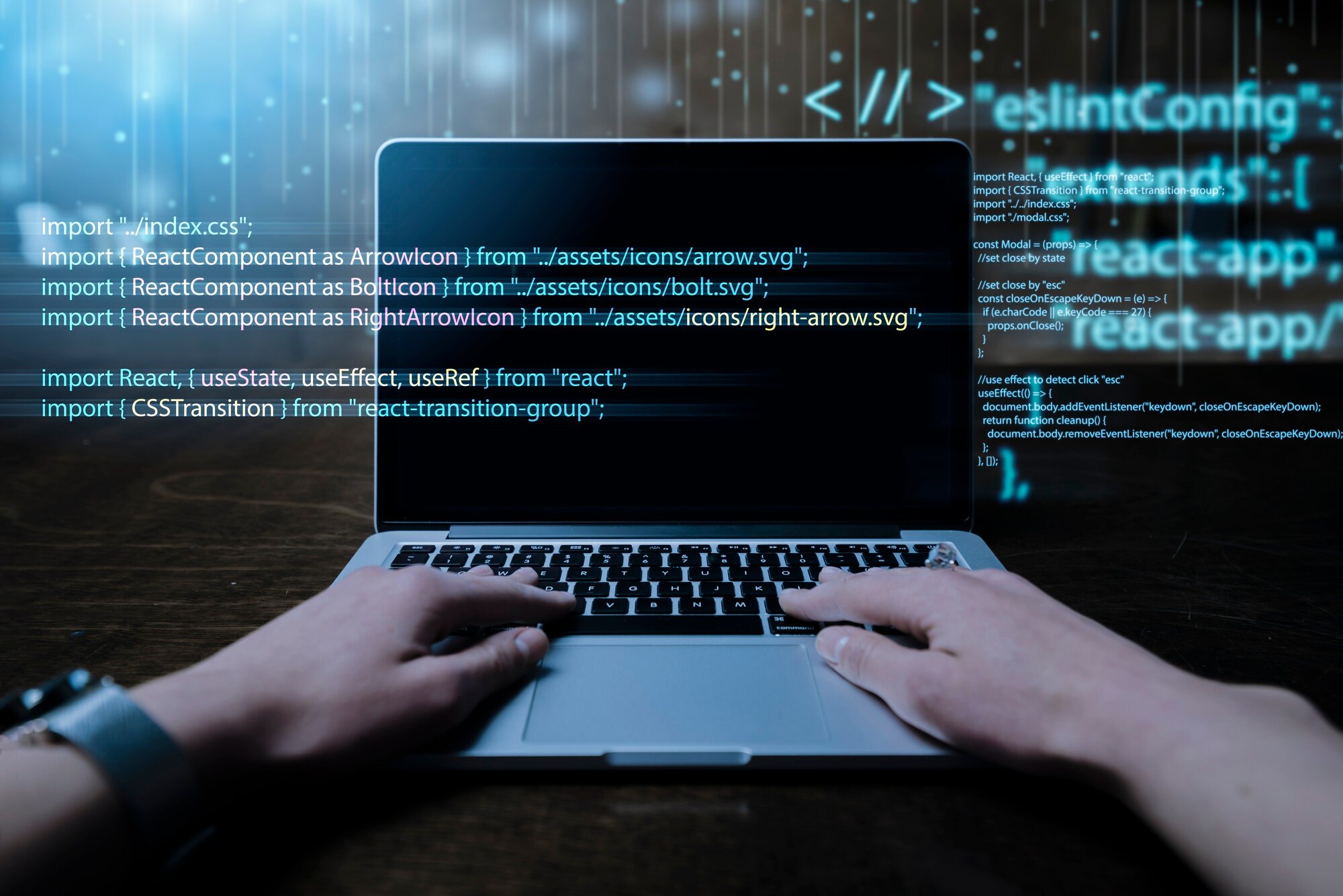
Where to Start at Coumiom
Homebrew Course (macOS)
Installation, commands, packages, updates.
Terminal Basics
Navigation, files, permissions, environment variables.
Languages via Homebrew
Python / Node.js / Go / Java.
Developer Tools
git, wget, curl, nvm, rbenv, etc.
Homebrew — The Package Manager for macOS
Homebrew is used to download and update software: programming languages, libraries, and utilities — all through a single command in the terminal.
What you will be able to do after:
- Install any necessary programming language
- Update packages effortlessly
- Keep your tools organized
- Quickly set up your development environment

Homebrew Tutorial: A Beginner's Path
/bin/bash -c "$(curl -fsSL https://raw.githubusercontent.com/Homebrew/install/HEAD/install.sh)". Follow the on-screen prompts, which may include entering your password and installing Apple's Command Line Tools if you haven't already. Once completed, you can verify the installation by running brew doctor.
brew install <package> installs a new package (e.g., brew install python). brew update fetches the latest Homebrew formulae and casks from GitHub, keeping your Homebrew installation up-to-date. brew upgrade upgrades all outdated packages installed by Homebrew. Regularly running these commands keeps your development environment current and secure.
/usr/local/Cellar. Casks are for macOS applications with graphical user interfaces (GUIs), like browsers, text editors, or developer tools (e.g., Google Chrome, Visual Studio Code). They are installed into /Applications. You use brew install for formulas and brew install --cask for casks.
brew doctor command is your best friend for troubleshooting. It checks your system for potential problems and provides suggestions for fixing them. Common issues include incorrect permissions, missing dependencies, or conflicting installations. Always run brew doctor first if you encounter problems. The Homebrew community forums and documentation are also excellent resources for resolving typical errors.
brew install python. For Node.js, use brew install node. After installation, you'll often need to configure your shell's PATH variable to ensure your system uses the Homebrew-installed versions. This typically involves adding lines to your .zshrc or .bash_profile file, which brew info will often guide you through.
Homebrew Course by Coumiom
Set up macOS for development — fast, safe, without chaos.

- Duration: 10–14 sessions
- Format: Video + practice + reviews
- Support: Chat / mentor
- Outcome: Ready-to-use dev environment on macOS
Flexible Pricing Options
Basic Level
Online, no mentor support.
$49 – $99
Standard Course
With support and assignments.
$129 – $199
Advanced Course
With a mentor, error analysis.
$299 – $399
Curriculum
macOS Dev Environment Base
Understanding the core components of a macOS development setup.
Homebrew Deeper: Taps, Pin, Services
Advanced Homebrew features for more control over your packages.
Languages & Versions: Python/Node
Managing multiple language versions and environments.
Developer Tools: Git, SSH, Linters
Essential tools for modern software development workflows.
Automation: Setup Scripts, Mac Migration
Automating your setup for efficiency and easy migration.
Best Practices: Security, Order, Updates
Maintaining a secure, organized, and up-to-date development environment.
Not Just “Watched” — Truly Configured
- Install Homebrew and verify your environment.
- Install 5 key tools and assemble a “developer toolkit”.
- Set up Node/Python and launch a mini-project.
- Configure PATH, aliases, and zsh.
- Conduct a system audit and fix issues.
Who Coumiom Homebrew Training Is For

Beginners
“The terminal is no longer scary.”

Transitioning to macOS
“I'll set up my Mac for work.”

Experienced Developers
“I'll organize my tools and speed up setup.”
After the Course, Your Mac is Ready for Development
- Tool installation — minutes, not hours.
- Structure and order in your environment.
- Fewer version conflicts.
- Easier to maintain and transfer your setup.
What Students Say

"Finally understood what brew is and why everything used to break. This homebrew tutorial was a lifesaver!"
John Smith
Junior Developer
"Set up my Mac and launched my first project in an evening. The Homebrew course is incredibly practical!"
Sarah Chen
Aspiring Programmer
"From zero to installed Python/Node + Git, it was a game-changer. This homebrew macOS tutorial really delivers."
Michael Johnson
Freelance CoderChoose Your Format
Starter
Access to the course + homework assignments.
$99
Pro
Includes reviews and practice verification.
$199
Mentor
Includes personal calls and Mac setup assistance.
$399
Frequently Asked Questions
Start with Homebrew — and Programming Will Be Easier
First lessons available immediately.
Get in Touch
Contact Us
- 1808 North Racing Water Place Eagle 83616 United States
- 8643041907
- [email protected]